
- Get directions
- Bookmark
- Share
- Leave a review
- Claim listing
- Report
- prev
- next
About
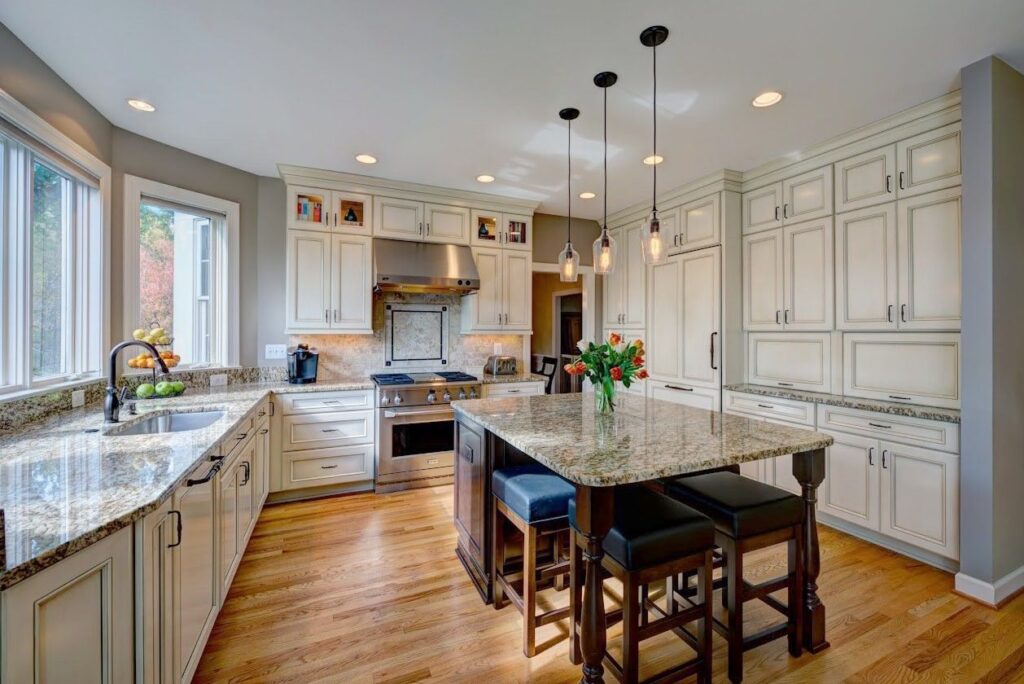
Installing new kitchen cabinets can dramatically transform the look, functionality, and value of your home. Whether you're refreshing an outdated space or redesigning your kitchen footprint, a well-planned cabinet installation makes all the difference. While many homeowners rely on professional services—such as Kitchen Cabinet Installation Service in Southport NC, offered by Bleu Ribbon Design & Remodeling LLC—some choose the DIY route to save money and enjoy the satisfaction of creating something themselves. This guide will walk you through the essential steps, tools, planning strategies, and expert tips to help you execute a smooth and successful cabinet installation.
1. Assessing Your Space and Preparing Your Layout
Before installing anything, you need a clear understanding of your kitchen’s layout. Start by taking accurate measurements of wall dimensions, ceiling height, window placement, and appliance locations. Your measurements will guide the cabinet sizes and arrangement.
Key preparation steps include:
-
Sketching your layout on graph paper or using digital design tools
-
Identifying plumbing, electrical, and HVAC obstacles
-
Confirming cabinet styles, finishes, and dimensions
-
Ensuring floors and walls are level
Professional remodelers—especially those skilled in Bath Remodels in Oak Island NC—use similar planning techniques in bathrooms, proving just how important precision is across all remodeling projects.
2. Gathering the Right Tools and Hardware
Before starting your DIY installation, assemble all the tools you’ll need. Having everything ready will keep your workflow smooth and reduce errors.
Recommended tools include:
-
Stud finder
-
Level (4-foot recommended)
-
Measuring tape
-
Drill and driver bits
-
Clamps
-
Shims
-
Screws (cabinet-grade)
-
Safety gear (gloves, eye protection)
Also double-check that all cabinet parts—doors, hinges, toe kicks, trim, and shelves—are included. Many homeowners also coordinate their cabinets with updated counters. For those seeking surface updates rather than full replacements, Countertops Refacing Services in Bolivia NC provided by Bleu Ribbon Design & Remodeling LLC offer a cost-effective alternative.
3. Removing Old Cabinets Safely
If you’re replacing existing cabinets, proper removal is essential to protect the surrounding areas and ensure the new units fit correctly.
Steps for safe removal:
-
Empty all cabinets.
-
Turn off power to nearby outlets.
-
Remove doors and hardware first.
-
Unscrew the cabinet boxes from wall studs.
-
Pry gently to avoid damaging drywall.
Take your time—poorly removed cabinets can cause drywall damage or accidents.
4. Marking Studs and Layout Lines
Accurate marking is crucial. Locate and mark all studs where the cabinets will be attached. Next, use a level to draw horizontal and vertical guidelines:
-
Base cabinet height line
-
Upper cabinet bottom height line
-
Centerlines for appliances
-
Reference marks for fillers, crown molding, or trim
This step ensures that once installation begins, everything lines up perfectly and remains symmetrical.
5. Installing Upper Cabinets First
Most professionals install upper cabinets before base cabinets because it keeps the workspace open and reduces the chance of damaging newly installed lower cabinets.
Steps to install wall cabinets:
-
Create a temporary support ledger board along your bottom guideline.
-
Start with a corner cabinet.
-
Lift the cabinet onto the ledger board and align it with the marks.
-
Drive screws through the cabinet’s backing into the wall studs.
-
Connect additional cabinets together using clamps before securing them to the wall.
-
Check constantly for level and plumb.
Once complete, remove the ledger board.
6. Installing Base Cabinets
With wall cabinets secured, move on to the base units.
Steps for base cabinet installation:
-
Begin with the corner base cabinet.
-
Use shims to level the cabinet on uneven floors.
-
Attach cabinets to studs and connect adjacent boxes.
-
Leave space for appliances such as dishwashers or ranges.
-
Install the sink cabinet last to ensure plumbing alignment.
Once all the base cabinets are secure, you can install countertops, sinks, and toe kicks.
7. Final Adjustments and Trim Installation
The finishing phase ties the entire installation together.
Final steps include:
-
Adjusting doors and drawer fronts
-
Installing crown molding, fillers, or decorative trim
-
Securing toe kicks
-
Adding hardware (pulls and knobs)
-
Cleaning up dust and debris
Attention to small details is what makes the job look truly professional—something the team at Bleu Ribbon Design & Remodeling LLC applies across all their kitchen and bathroom remodeling projects.
8. Table: DIY vs. Professional Installation
| Category | DIY Cabinet Installation | Professional Services (Bleu Ribbon Design & Remodeling LLC) |
|---|---|---|
| Skill Level Required | Moderate to advanced | No skill required for homeowner |
| Time Investment | High (days to weeks) | Low (typically 1–2 days) |
| Risk of Mistakes | Higher | Minimal |
| Tools Required | Many specialized tools | Provided by professionals |
| Custom Fit & Adjustments | Limited | Highly precise |
| Cost | Lower upfront | Higher upfront, but long-term value |
| Additional Services | None | Includes Kitchen Cabinet Installation Service in Southport NC, Countertops Refacing Services in Bolivia NC, and Bath Remodels in Oak Island NC |
FAQs
Q1: How long does a DIY kitchen cabinet installation take?
It depends on your skill level. Most homeowners require several days to complete the full installation, whereas professionals finish in one to two days.
Q2: Do I need special tools for cabinet installation?
Yes. A level, stud finder, clamps, drill, and shims are essential for accurate and secure installation.
Q3: Is cabinet installation safe for beginners?
It can be, but beginners should proceed cautiously. Heavy cabinets, electrical wiring, and sharp tools pose risks.
Q4: Can I install new cabinets without replacing my countertops?
Yes. Many homeowners choose Countertops Refacing Services in Bolivia NC to refresh their counters without a full replacement.
Q5: Should I hire a professional instead of doing it myself?
If you want guaranteed precision and fast installation, a service like Kitchen Cabinet Installation Service in Southport NC from Bleu Ribbon Design & Remodeling LLC is the best option.
Conclusion
Installing kitchen cabinets on your own can be a rewarding and cost-saving project when done correctly. By preparing thoroughly, using the right tools, and following each installation step carefully, you can create a functional and beautiful kitchen space. However, if you want precision, efficiency, and a flawless finished look, professional services—like those provided by Bleu Ribbon Design & Remodeling LLC—offer unmatched expertise. From custom kitchens to Bath Remodels in Oak Island NC and Countertops Refacing Services in Bolivia NC, you’re guaranteed craftsmanship that transforms your home.
Helpful Hints
-
Always measure twice before cutting or drilling.
-
Use shims generously to maintain perfect alignment.
-
Don’t overtighten screws on adjoining cabinet boxes.
-
Label parts and hardware to avoid confusion.
-
When in doubt, consult a professional installer.
Gallery
Type
Contact Info
-
AddressBolivia, NC, USA
Not Available
Today's work schedule is not available
Toggle weekly schedule
-
Monday
Open 24h
-
Tuesday
N/A
-
Wednesday
N/A
-
Thursday
N/A
-
Friday
N/A
-
Saturday
N/A
-
Sunday
N/A
June 28, 2026 1:54 pm local time
Location
-
Bolivia, NC, USA




Add a review