
- Get directions
- Website
- Bookmark
- Share
- Leave a review
- Report
- prev
- next
About
Managing digital operations for small businesses requires balancing online market visibility with day-to-day operational security. When establishing an online footprint, local service providers, independent contractors, e-commerce startups, and regional agencies regularly register their information across business directories, vendor listings, and niche search portals. These external business listings are critical for strengthening local search performance, building digital trust, and expanding customer discovery. However, setting up multiple directory accounts demands providing substantial corporate information, including office locations, email addresses, and direct phone numbers to satisfy automated identity verification requirements.
While phone verification helps business platforms filter out duplicate entries and fraudulent registrations, exposing primary business phone lines creates unintended administrative headaches. Public directories and business listing sites are continuously crawled by data brokers, marketing crawlers, and aggressive sales teams. Once a business submits its direct mobile or office line to numerous online listing sites, that contact number quickly finds its way onto widespread cold-calling lists. Dealing with daily spam calls, robocalls, and unsolicited promotional text messages drains valuable business hours and interferes with answering legitimate customer inquiries.
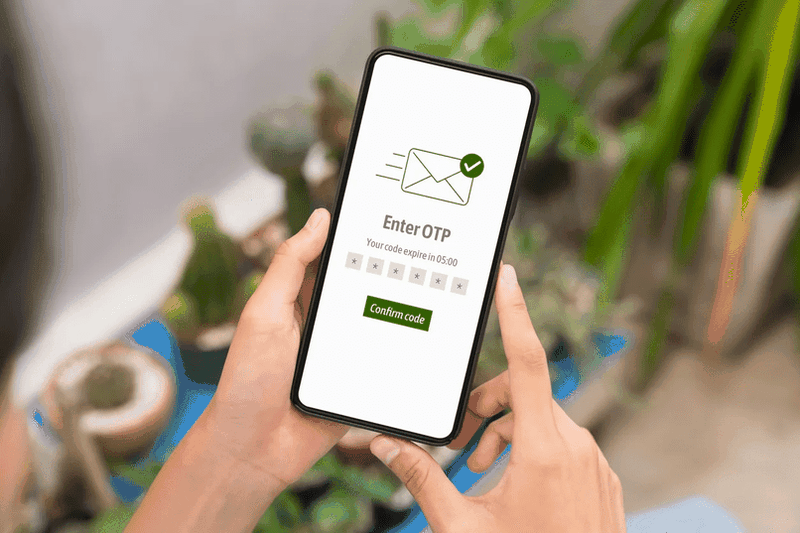
To avoid communication overload, many growing businesses and operations managers adopt practical privacy workflows during the initial platform evaluation phase. When testing new listing directories, auditing sign-up workflows, or evaluating vendor platforms, using temporary virtual numbers serves as an effective operational buffer. Rather than attaching a core business line to untested web services, companies frequently rely on a dedicated online sms receiver to manage incoming verification codes. Utilizing reliable services that allow staff to receive sms free online enables organizations to confirm directory accounts quickly while keeping primary phone numbers shielded from public marketing databases. This strategy provides an immediate layer of protection during preliminary business evaluations without disrupting established client communication channels.
In addition to directory submissions, virtual phone tools support regular technical testing for small business applications and customer portals. Digital marketing teams, web designers, and software administrators frequently need to test client notification triggers, appointment reminders, and automated account verification routines. Performing these functional tests with personal or official company SIM cards often causes confusion, unwanted test notifications, and unnecessary carrier fees. Temporary numbers allow staff to simulate real-world user signups, check verification delivery rates, and confirm that automated authentication triggers work properly before rolling out changes to real clients.
Long-term business security depends on maintaining clear boundaries between direct client communications and external administrative registrations. Keeping main business phone numbers dedicated solely to customer support and client transactions, while deploying disposable communication channels for platform evaluations, shields organizations from relentless spam and privacy leaks. Applying disciplined data protection policies, reviewing directory profiles regularly, and utilizing purpose-built testing tools help modern businesses build a solid online presence while maintaining uninterrupted day-to-day operations.
Gallery

Contact Info
-
Websitehttps://smser.net/temporary-phone-numbers
-
Address15 Belgrave Mews S, London SW1X 8BT, UK
Not Available
Today's work schedule is not available
Toggle weekly schedule
-
Monday
Open 24h
-
Tuesday
N/A
-
Wednesday
N/A
-
Thursday
N/A
-
Friday
N/A
-
Saturday
N/A
-
Sunday
N/A
October 20, 2026 11:09 pm local time
Location
-
15 Belgrave Mews S, London SW1X 8BT, UK





Add a review